By Salma Raziq
Manager Clinic Operations
SINA Health, Education & Welfare Trust
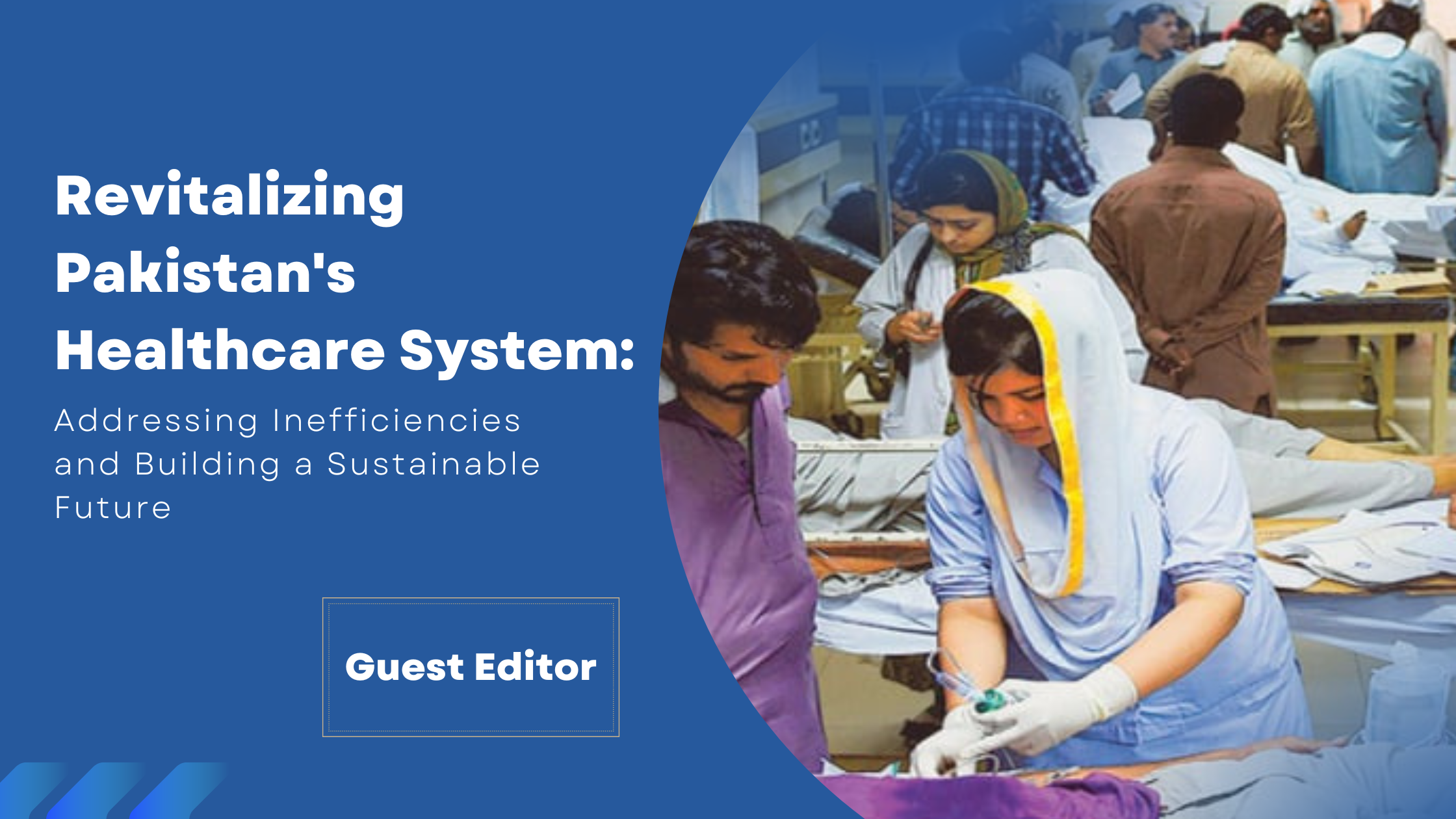
Imagine a country where millions of people are unable to access basic healthcare, where long waits and overcrowded hospitals are the norm, and where even skilled doctors leave in search of better opportunities abroad. Pakistan has become a nation grappling with a healthcare system that, despite its potential, is struggling to meet the needs of its people. While the private sector offers high-quality care, it remains out of reach for the majority of the population. Meanwhile, the public healthcare system is under immense pressure, facing challenges ranging from budget constraints to a lack of skilled professionals.
The root causes of these inefficiencies run deep. Pakistan allocates just 2% of its national budget to healthcare, far below the WHO's recommendation of 5%. This financial shortfall leads to poorly equipped hospitals, outdated facilities, and a lack of essential medical tools. The shortage of skilled professionals is compounded by a worrying brain drain, with approximately 40% of Pakistan’s medical graduates seeking opportunities abroad due to low salaries, poor working conditions, and limited career advancement. Political interference in the health sector further exacerbates the situation, breeding corruption and inefficiency. In overcrowded hospitals, patients often face long wait times and subpar care, while primary healthcare—critical for disease prevention and early detection—remains neglected.
The lack of focus on primary healthcare is particularly concerning. Primary care, which focuses on preventing diseases and promoting health, is crucial for reducing the burden on secondary and tertiary care hospitals. Yet, in Pakistan, this sector is severely underfunded, and the public remains largely unaware of its importance. As a result, preventable diseases continue to spread, and healthcare services remain overwhelmed by cases that could have been managed earlier.
The public healthcare system's infrastructure also lags behind, with outdated facilities, insufficient medical equipment, and poor maintenance. These deficiencies increase the risk of medical errors and compromise patient safety. But it’s not all bleak. There are solutions that can help transform Pakistan’s healthcare system into one that meets the needs of its citizens.
Improving Pakistan’s healthcare system begins with strengthening the economy to foster the growth of modern healthcare infrastructure and attract skilled professionals. Public-private partnerships can be a game-changer, increasing efficiency, building institutional capacity, and sharing expertise between sectors. Skill development programs for healthcare workers should be prioritized, ensuring that medical staff are equipped with the latest knowledge and techniques. Hospitals must be built in alignment with population needs, ensuring that resources, staff, and equipment match the healthcare demands of the region. Community awareness campaigns can help prevent diseases, encourage early diagnosis, and reduce the strain on hospitals. Transparency and accountability through regular audits and monitoring will reduce corruption, improve patient safety, and enhance the overall quality of care. Non-governmental organizations (NGOs) also play a vital role in addressing these gaps, delivering essential services in remote areas and promoting health education, preventive care, and nutrition. Pakistan's healthcare system is at a crossroads. With the right investments in infrastructure, skills development, and public-private collaborations, Pakistan can build a system that not only provides high-quality care to its citizens but also aligns with the WHO's vision of health as a state of complete well-being for all.